Fragmented Information
Important operational data may be spread across multiple tools, making it difficult to build a reliable view of current activity.
A B2B product-design concept that simplifies solution discovery, customised quote requests and quotation management through one clear, connected digital experience.
This concept explores how an industrial solutions business could help customers understand available options, request customised quotations and track progress without relying on fragmented emails or disconnected processes.
The experience brings discovery, comparison, quote creation and status management into one product, while keeping complex operational information easy to scan and act upon.
Industrial customers often need to compare technical options, provide site-specific information and wait for customised pricing. The experience needed to make those steps understandable without oversimplifying important product details.
Important operational data may be spread across multiple tools, making it difficult to build a reliable view of current activity.
When every alert looks equally important, users spend more time interpreting the interface and less time taking action.
Multi-step operational processes need clear ownership, status visibility and predictable interaction patterns.
The objective was to create a connected journey that helps users understand their options, complete complex requests and always know what happens next.
Use clear hierarchy, restrained colour and consistent status patterns to help users recognise what is normal, changing or urgent.
Begin with a concise summary, then allow users to move into deeper operational information only when required.
Create reusable interaction patterns for tasks, approvals, maintenance updates and issue resolution.
Define components, spacing and data-display rules that can support additional modules without fragmenting the experience.
Identify core users, business goals, information needs and the operational decisions the platform must support.
Organise modules, navigation and task flows around natural user priorities rather than internal system complexity.
Develop interface patterns for summaries, alerts, asset details, maintenance activity and actionable workflows.
Use reusable components and design-system thinking to support future features and product growth.
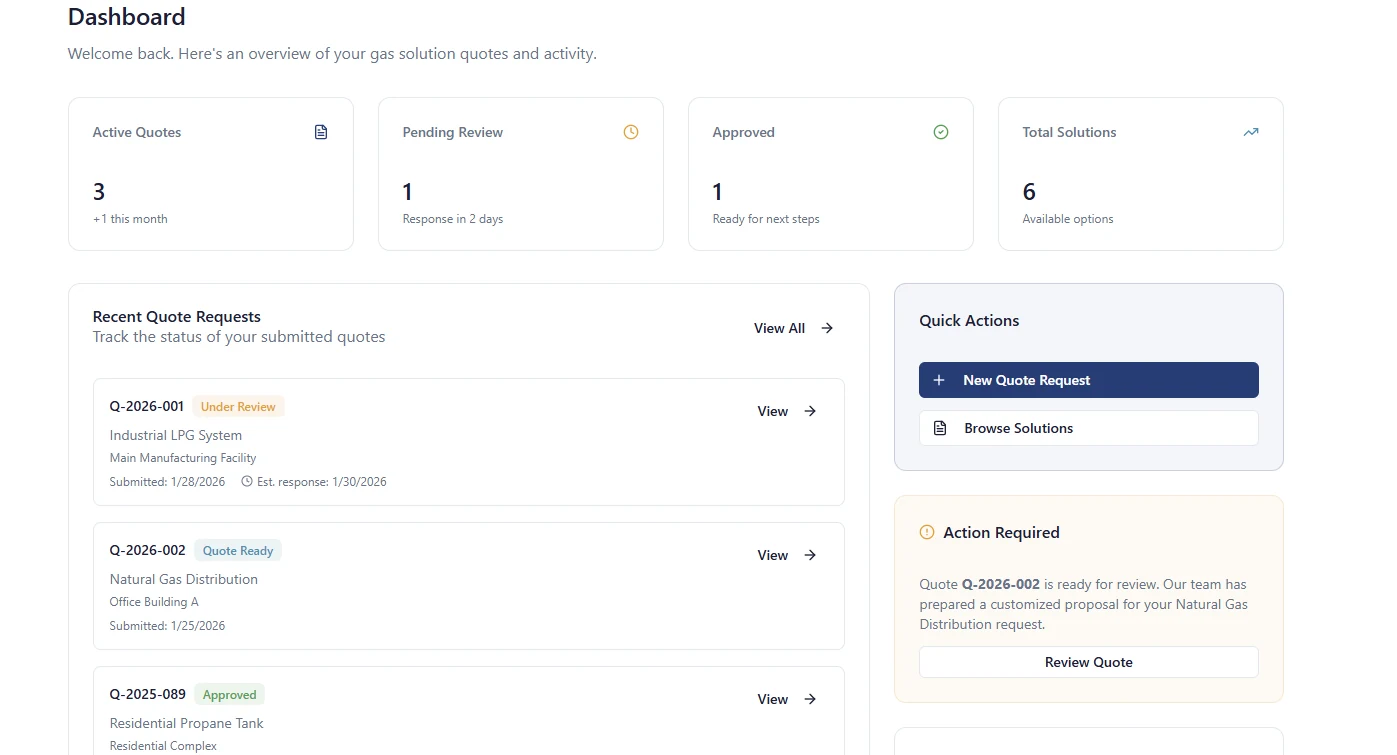
The dashboard brings together progress, recent requests and priority actions so users can quickly understand what requires attention.
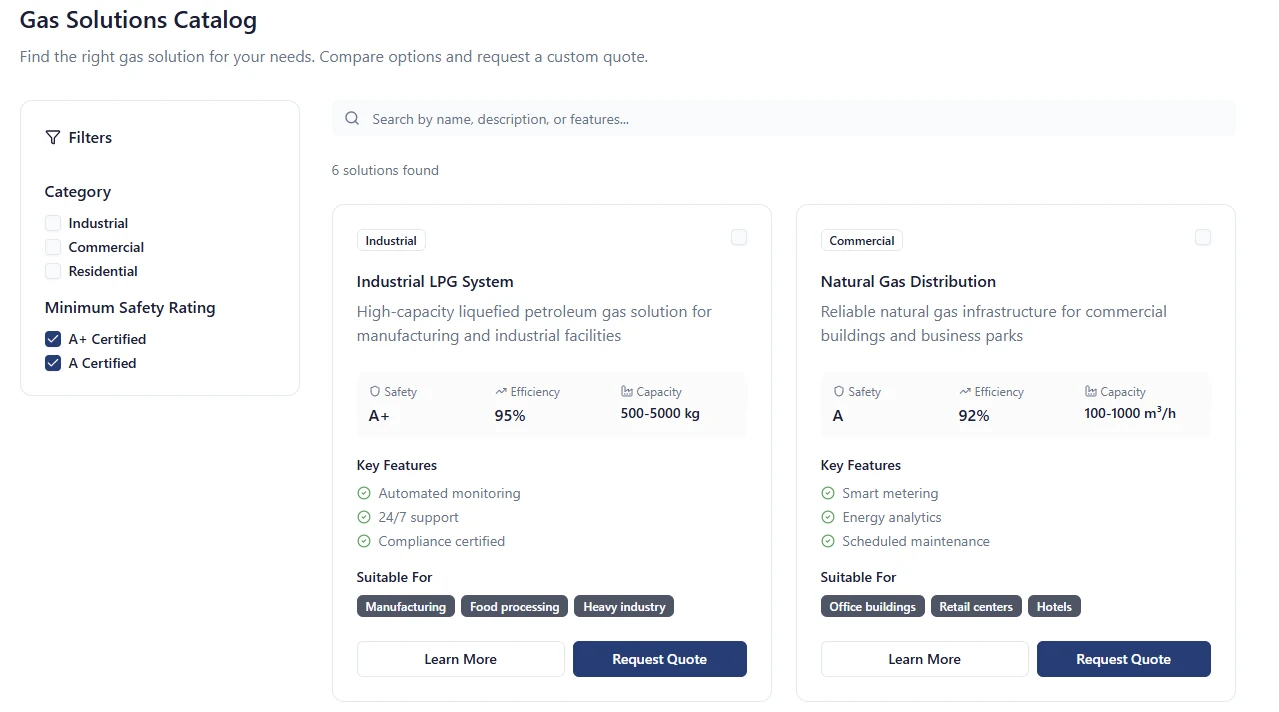
The catalogue balances technical detail with clear hierarchy so customers can narrow options without becoming overwhelmed.
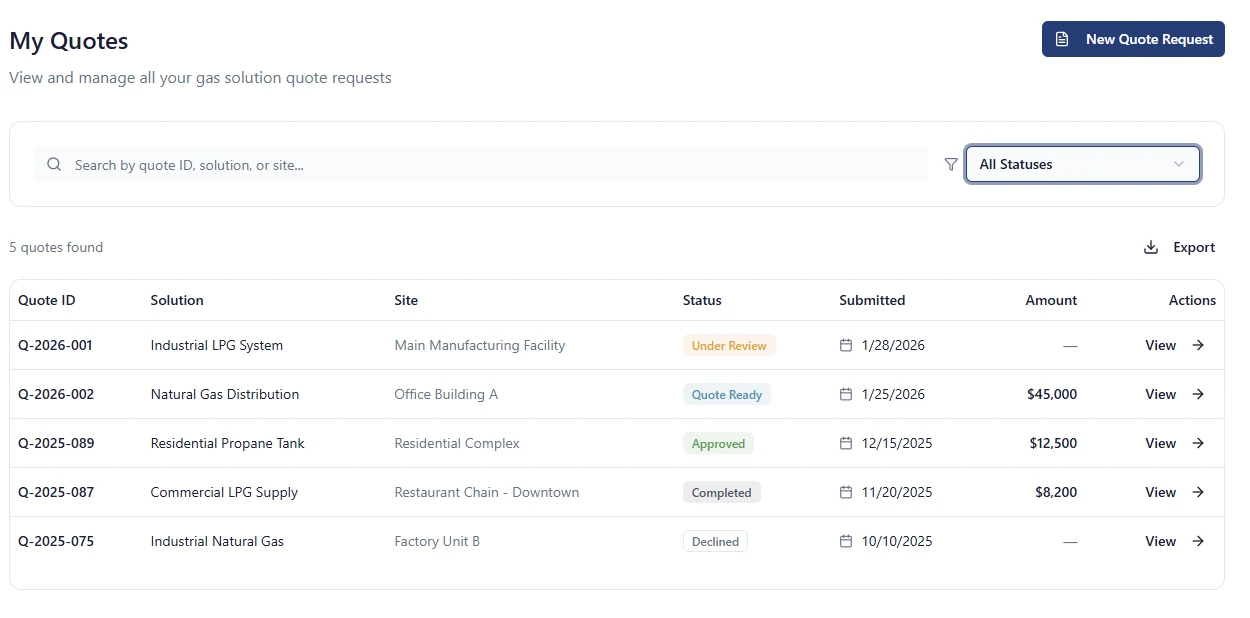
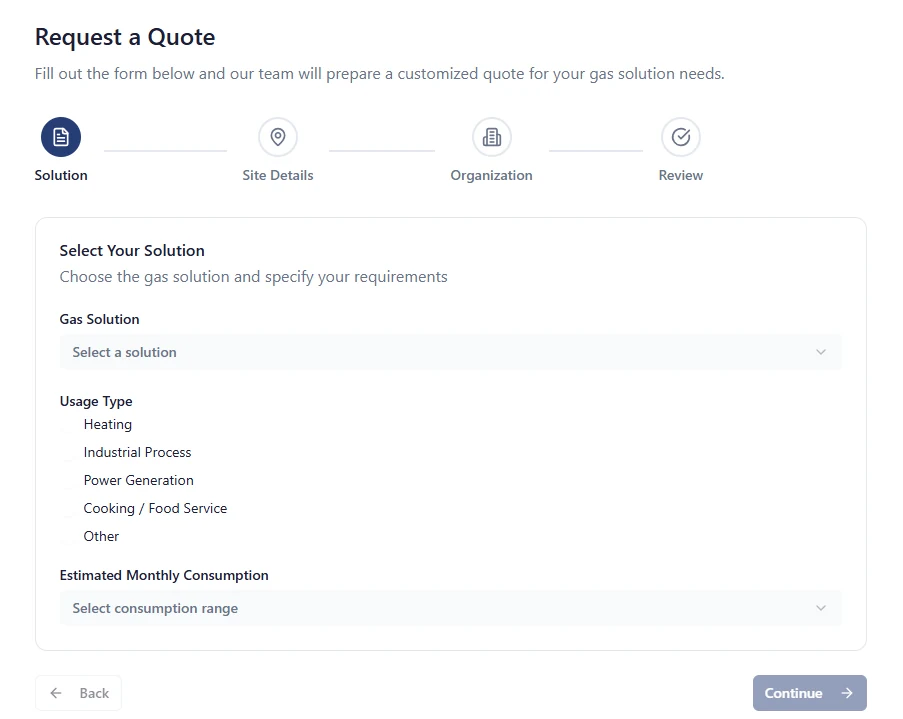
The concept demonstrates how product design can make a technical sales process easier to understand, complete and manage.
A unified overview helps users identify status, exceptions and priority actions without navigating through disconnected systems.
Consistent interaction patterns make multi-step operational tasks easier to follow and manage.
Reusable components provide a practical base for future modules, features and enterprise requirements.
CreonixAI helps teams turn complex workflows and business requirements into clear, scalable product experiences.
Discuss Your Product